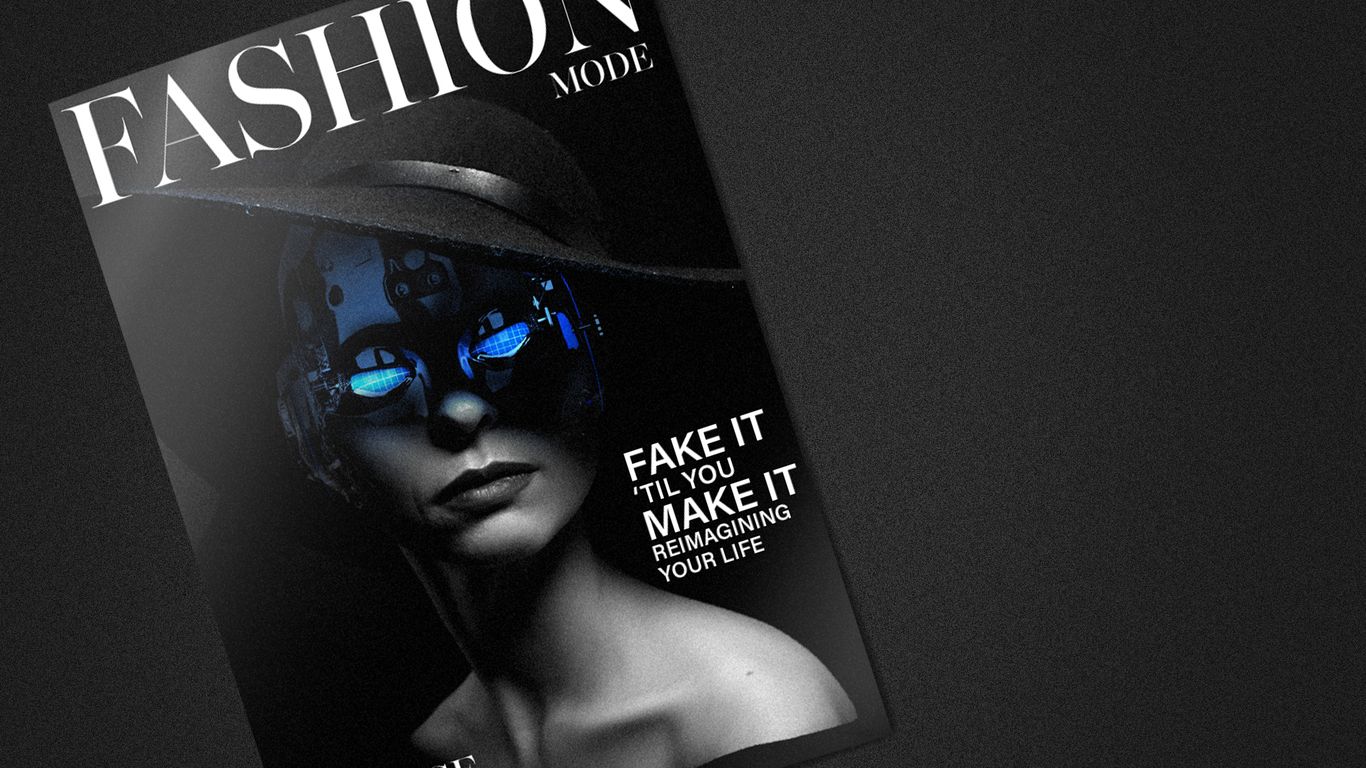
A societal spotlight on extreme thinness is stripping body diversity from screens, just as fashion magazines did in the early aughts, mental health experts tell Axios. The big picture: Fake content creators are introducing unattainable, AI-generated body images that prey on human nature and exacerbate the struggle for many to reach self-acceptance for their bodies. When shrunken celebrities "become the ideal ... because of their status, then the virtual influencers are going to be emulating that," Katy Bruchmann, who leads Santa Clara University's Social Cognition and Comparison Lab, says. "Then, the more really thin, super beautiful virtual influencers you have, the target changes for all the real people again. It's a really scary cycle." Driving the news: Some are posing as influencers selling wellness products or services, while others are sharing body transitions or beauty advice. Axios reviewed dozens of social media posts that include clear AI-generated body transformations or fitness influencers, while online sleuths have uncovered content that appears fake. Zoom in: Some were labeled as AI. Many were not. But research from Brooke Bennett, the director of the Body image, Eating, Access, and Media Lab at the University of Clemson, and her colleagues found that it essentially doesn't matter. Even when people know the image they're viewing is AI, it still hurts their body satisfaction. "I think it's this expectation management piece," Bennett says. "We might... say, 'OK, I know that person's AI, but that doesn't mean that everyone else knows, and people are going to expect me to look like that too.'" Zoom out: The striving for thinness has been fueled by a GLP-1 boom and pushed to extremes with dangerous internet trends. While "SkinnyTok" was banned by TikTok, the messages are still slipping through. Coupled with images of flawless women wearing a size 00, social media can be a body image minefield. "In the clinical space, we're seeing patients coming in really struggling to deal with some of this AI and ... social media pressures in general," Bennett says. Follow the money: Tech and media companies have flooded the zone with a host of cyber stars that are accessible and low-cost. "You can hire an AI influencer for cheap, and they can be in Brazil tonight selling a beverage, and in Tokyo tomorrow selling a T-shirt," Bruchmann says. Our thought bubble: Beyond the completely virtual vixens, it's easier than ever to edit images using AI. I tried it myself, asking ChatGPT to slim me down. I still looked like myself, with no immediate signs that the photo had been altered, like garbled text or extra fingers. The fine print: When organic AI content is posted to Meta products, users can opt in to identify it, or Meta's system may. TikTok "encourage[s]" creators to label content generated or significantly edited by AI. The platform may also label it. But the rules aren't foolproof, and likely AI-generated content still appears unlabeled. Reality check: Zoë Bisbing, founding director of Body-Positive Therapy NYC, tells Axios that body diversity (yes, real bodies) is still online. "It's true — the thin ideal is getting thinner," she says. "At the same time, it's not hard to find size diversity on the street, at the beach and [in] your algorithm." Start simple by searching terms like body acceptance, body positive or body liberation, she says. Go deeper: TikTok glorifies weight loss among teens, young adults: Study
Back to Top News
Top
September 8, 2026 at 11:22 AM
The body image battle is real in 2026, but the bodies may not be
Axios