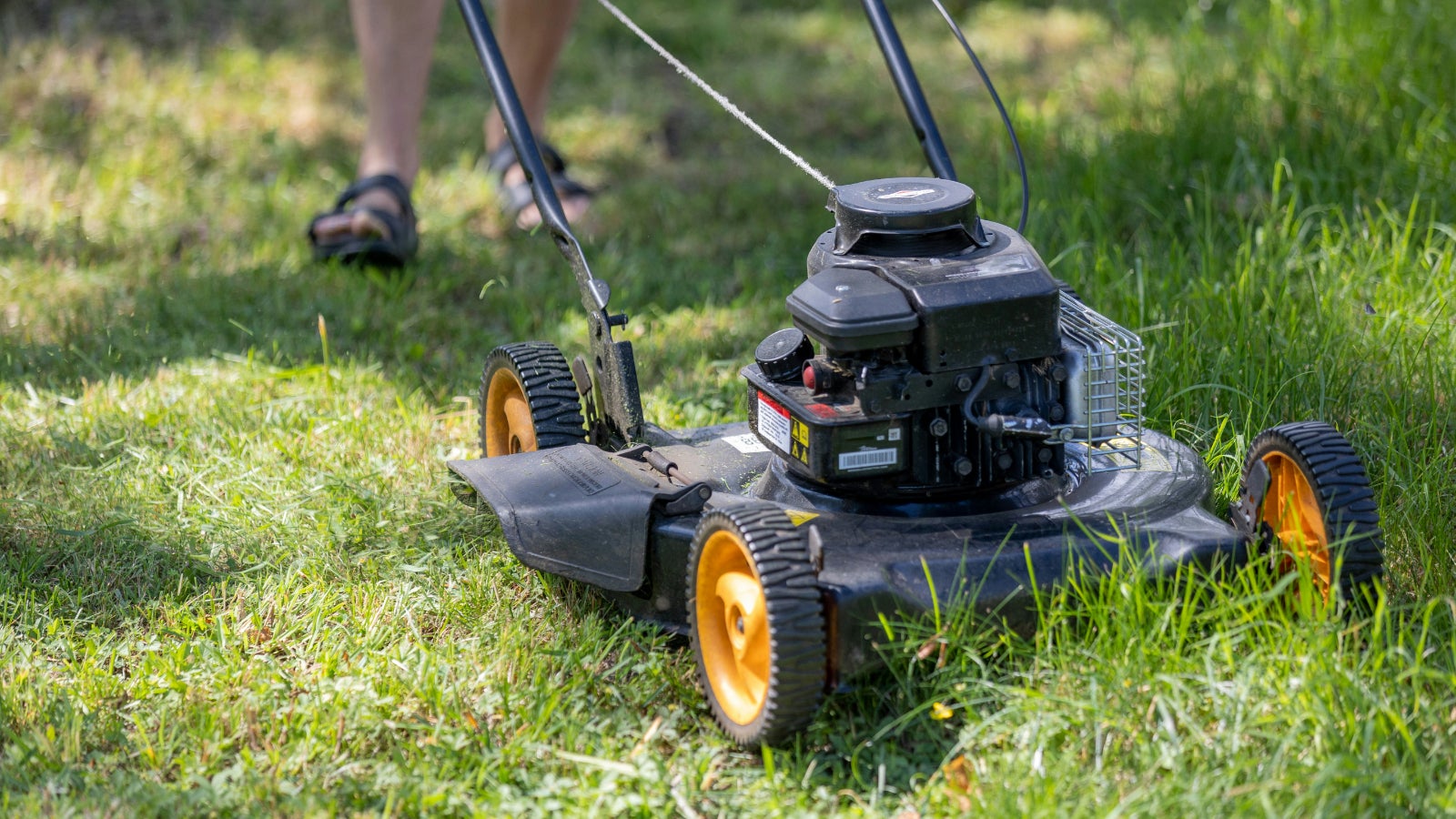
This summer was pretty hot (understatement of the century) – and extremely dry. In fact, despite recent rainfall, drought conditions continue across much of England and Wales. One perk of the recent wet weather is that your previously yellow and crispy-looking lawn should be finally returning to its former green glory. if you’re itching to get your mower out and give it a good trim ahead of the cooler seasons, a gardening expert has shared a word of warning. Don’t cut your grass too short Morris Hankinson, managing director of Hopes Grove Nurseries, told Ideal Home that cutting your grass too short is one of the biggest mistakes gardeners can make as autumn arrives, as it will “leave it stressed”. He explained that “shorter grass has less leaf surface to photosynthesise, which means less shade for the soil, leading it to dry out and be significantly more stressed than other times of the year”. Ideally, you should let your grass (and soil) recover by not mowing – especially given we’re still in drought. However, if it’s looking a bit unruly, your best bet is to raise the mower blades, leaving the grass “slightly longer”. Don’t cut your grass too short after a dry summer. Any other lawn-care tips? Yes. According to the Royal Horticultural Society (RHS), autumn is a great time to give your lawn some TLC so it’s in good shape for next year. This might look like: 1. Raking the grass to remove any debris, grass clippings, and moss. This helps it cope better with drought conditions, as water can then soak through easily into the soil. The RHS notes your lawn might look patchy after raking, but it will soon recover and grow back even more verdant. 2. Spiking the lawn with a garden fork to aerate the soil around the grass roots. You don’t have to do this every year, the gardening pros suggest every two to three years is enough. 3. Top dress the garden with “a mix of loam, sand and well-rotted organic matter” to fill the aeration holes you’ve made. You can buy a ready-mixed version at the garden centre. 4. If your lawn is looking a bit worse for wear after a few weeks of wet weather, apply an autumn lawn feed for a much-needed boost and to help the roots flourish over the winter. RHS’s experts suggest applying fertiliser “just before rain is forecast, at the rate specified on the packet”. Happy gardening! Related... Scorched Lawn? These Drought-Proof Wildflowers Will Keep Your Garden Bright All August Five Key Gardening Jobs You Must Do Now Ahead Of Winter September Gardening Checklist: What To Plant Right Now For Spring 2027
Back to Lifestyle
Lifestyle
September 14, 2026 at 10:25 AM
UK Gardeners Given Lawn Mower Warning As Green Grass Finally Reappears
HuffPost UK