
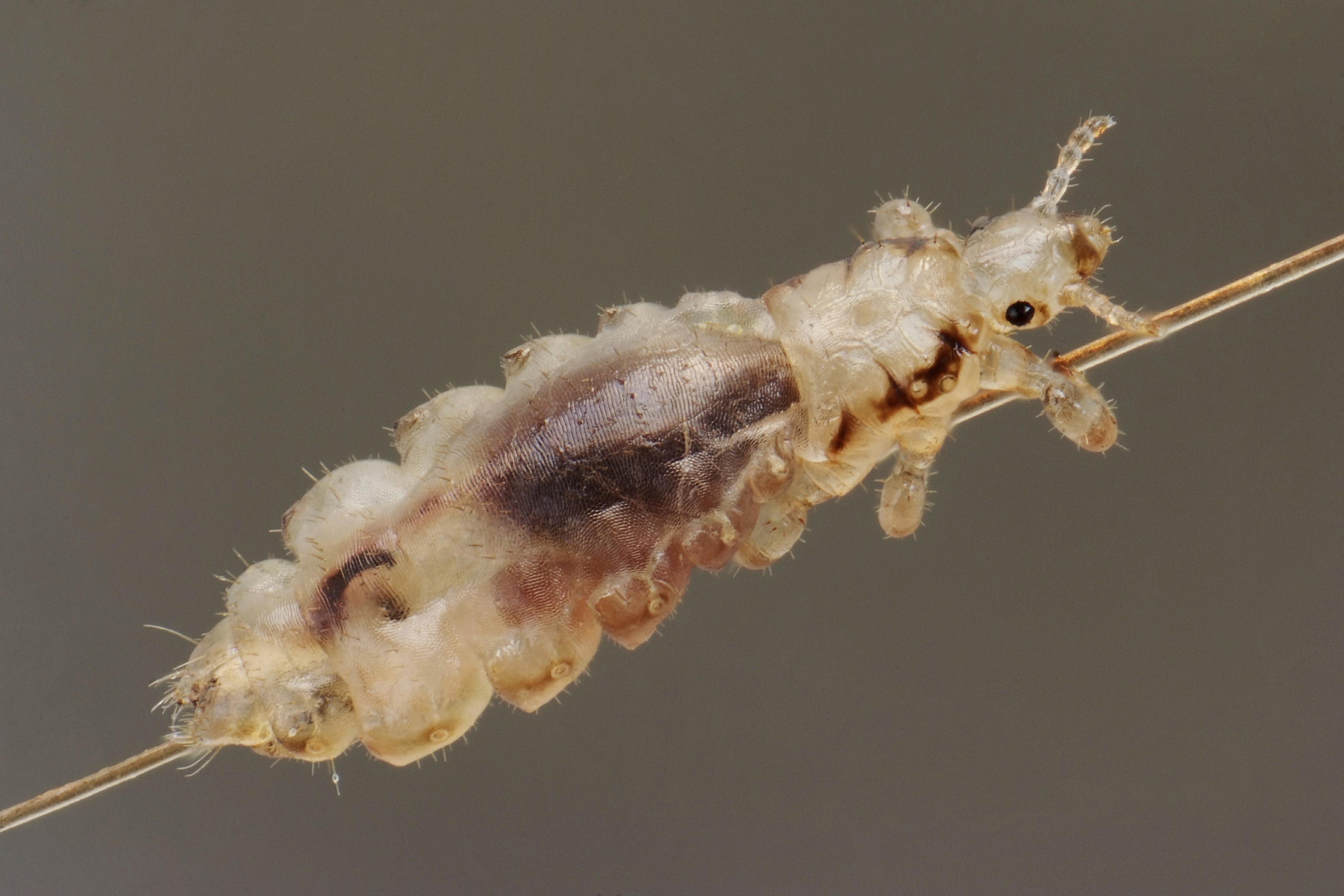
Children are back at school which can only mean one thing: it’s time to get the bug combs back out. Head lice expert Dani Knapp, from Nitty Gritty, predicts a 30% increase in head lice now the kids are back at school. “After the six-week summer break, children are now back together in close contact; at their school desks, huddled together playing games in the playground and even just sitting on the carpet listening to story time,” she explained. “All this close contact gives head lice the perfect opportunity to migrate from one head to another and, before you know it, half a class can be infested with head lice!” It might surprise you to hear that head lice are completely different to nits. A survey of more than 1,000 UK parents by head lice experts Hedrin found over half of those surveyed thought nits and head lice were the same thing. What’s the difference between nits and head lice? Head lice are the living creatures (small insects, about 3mm long) and nits are simply the empty egg cases (usually brown or white in colour) that head lice hatch from. “There are lots of myths about head lice that circulate among parents when an outbreak occurs,” said Ian Burgess, a louse expert and director of the Medical Entomology Centre. Here are some of them... 1. Head lice get nourishment from human hair Wrong. Half of parents believe this to be true, but the truth is that head lice are a type of parasite that feed on human blood. Delightful. 2. Head lice can jump from head to head Just one in five (21% of) parents correctly identified this to be false. Head lice actually spread from direct head-to-head contact and can only live a day or so without contact with a human head. “For a head louse to travel between scalps, very close contact would need to be made,” said Burgess. “This is why cases can be more common between girls who might share hairbrushes and tend to have closer contact than boys when playing.” 3. Clean hair will keep head lice away More than a third (36%) of respondents thought this was true, but the cleanliness of your hair makes no difference to a louse. They just want the aforementioned blood. 4. Head lice spread disease Almost a third of parents thought this was true (30%) but head lice do not carry diseases, they are just an itchy inconvenience, according to Hedrin. How to check for and treat head lice If you’re worried your child might have head lice, don’t panic. “Having head lice is just part of childhood... I suggest following a simple three step process,” said Burgess. He advised parents to: check, treat, complete. “If you make checking for head lice a part of your family’s routine, you’re less likely to feel caught off guard when an outbreak occurs and you can get it treated quickly and easily,” he said. The louse expert recommended checking your child’s hair for lice once a week using a detection comb (a very fine-toothed comb), ensuring you check behind the ears and underneath the fringe too. You could do this after applying conditioner to make it more comfortable. If a live louse is found, that’s the time to call in the big guns (louse solution) – bearing in mind to keep it away from the eyes and face, and to follow on-pack instructions. Check everyone else’s hair in the family and then treat as necessary. The NHS suggests some treatments – like electric combs for head lice, products containing permethrin, and tree and plant oil treatments – are not recommended because they’re unlikely to work. Burgess recommended checking your child’s hair again in the 2-3 days following treatment to ensure that all head lice have completely gone, and also after a week to ensure that no remaining eggs have hatched new lice. “In some cases a second application might be necessary,” he added. If lice persist, follow up with wet combing or consider an alternative treatment. In the meantime, try to keep the bugs at bay by: tying long hair back for school and activities; and avoiding sharing brushes, hats, headphones or hair accessories with others. Related... We’re In A Bed Bugs Epidemic, Here’s How To Banish Them For Good UK Gardeners Urged To Check For Crows This Autumn Forget Pesticides – These 11 Plants Will Naturally Repel Pests
Back to Lifestyle
Lifestyle
September 14, 2026 at 10:55 AM
So THAT's The Difference Between Nits And Head Lice
HuffPost UK