
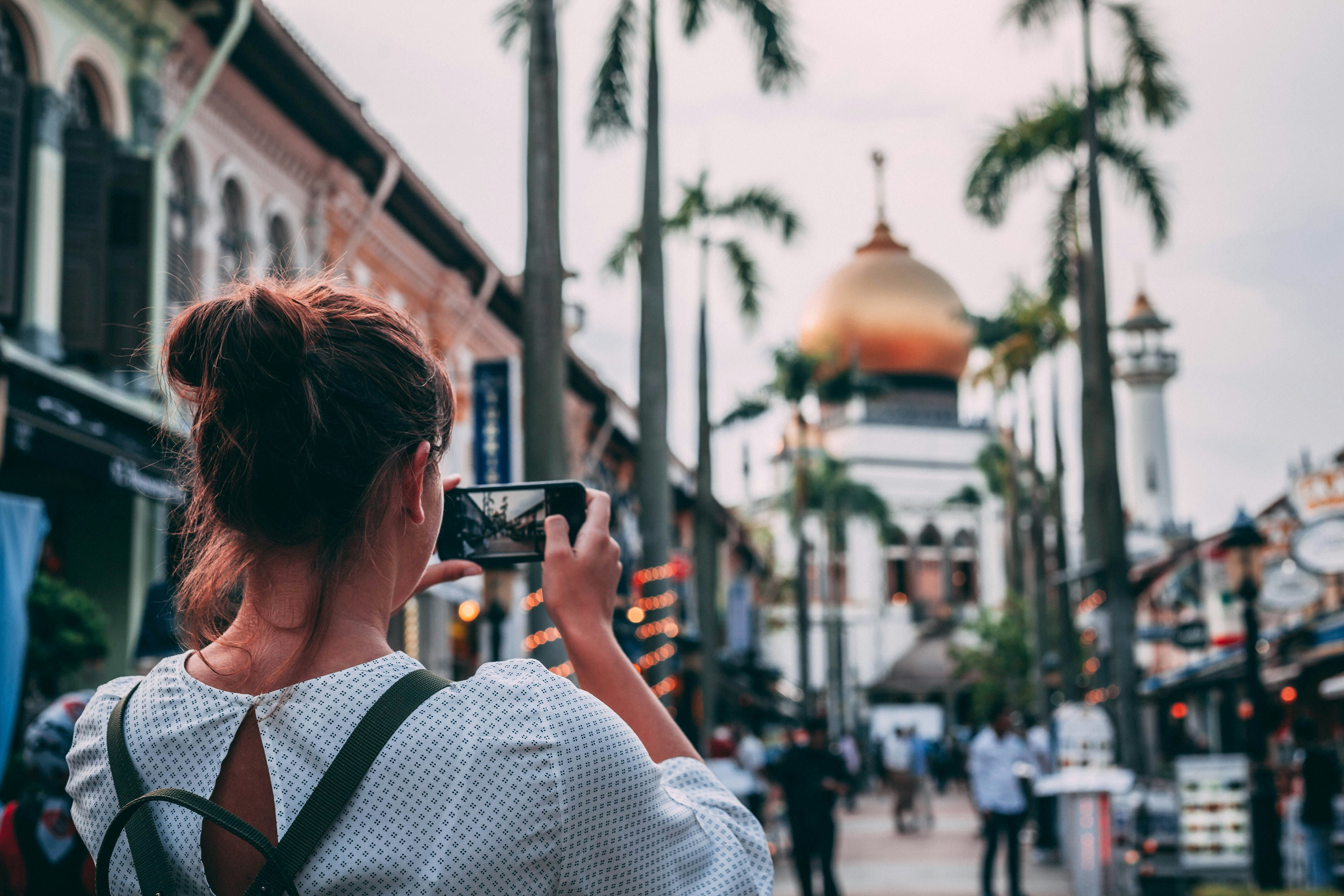
You might want to think twice before snapping that holiday pic! One of the more interesting things about the turn of the century and our improved access to technology is that everything is a photo opportunity. Dinners, airport delays, a funny sign outside of a trendy cafe, a meetup with pals… Anything and everything is an opportunity. I think it’s quite sweet. It’s second nature to us now to document our lives so thoroughly to the point that sometimes, it doesn’t even matter if the photo is good. It just matters that we documented that we were part of that moment. For example, I cannot show you a single good gig photo I have ever taken. All of them are diabolical. But I was there and in that moment, I knew I wanted to remember it. However, research is increasingly indicating that our seemingly constant need to document the events of our lives may actually prevent us from remembering them. How taking too many photos impacts memory Sophia Fabrizio, author of a new study published in the journal Memory & Cognition reviewing the relationship between memory and photographs says: “The results of the current study suggest that we are likely harming our memory for information and experiences with the press of a button, and that this impairment may even extend beyond what is captured. The researchers have also found that screenshots aren’t quite as useful as some of us like to think they are. Fabrizio noted: “Unless you are actively reviewing those images as cues for elaborative memory retrieval, it is unlikely to benefit you.” This taking photos and instantly forgetting is a form of amnesia. On their website, Binghamton University says: “One possible mechanism behind digital amnesia is divided attention: The act of capturing an experience takes away cognitive resources that would otherwise be dedicated to encoding the information in memory. “While divided attention plays a role, it’s unlikely to be the main source of memory impairment; people show a comparable deficit when extra time is provided to view an art piece before or after taking a photograph, and when the capture task is made less difficult, which should minimise its effects.” How to improve your memory of events The university advises: “A better option for remembering information: break out a pen and paper. Writing something down – for example, taking notes during a lecture – forces us to process and organise the information into manageable bullet points, and draw connections. Known as “desirable difficulty,” the mental effort in this kind of processing may make us more likely to remember the information.” Noted. Related... A Modified Mediterranean Diet Fights Brain Ageing and Memory Loss It Turns Out Chewing Gum Might Boost Your Memory ‘I Think You’re A Bit Stressed, Love’: How My GP Dismissed A Brain Tumour As Early Menopause
Back to Lifestyle
Lifestyle
September 5, 2026 at 6:51 AM
Always Taking Photos To Remember Moments? Science Says You're Doing The Opposite
HuffPost UK