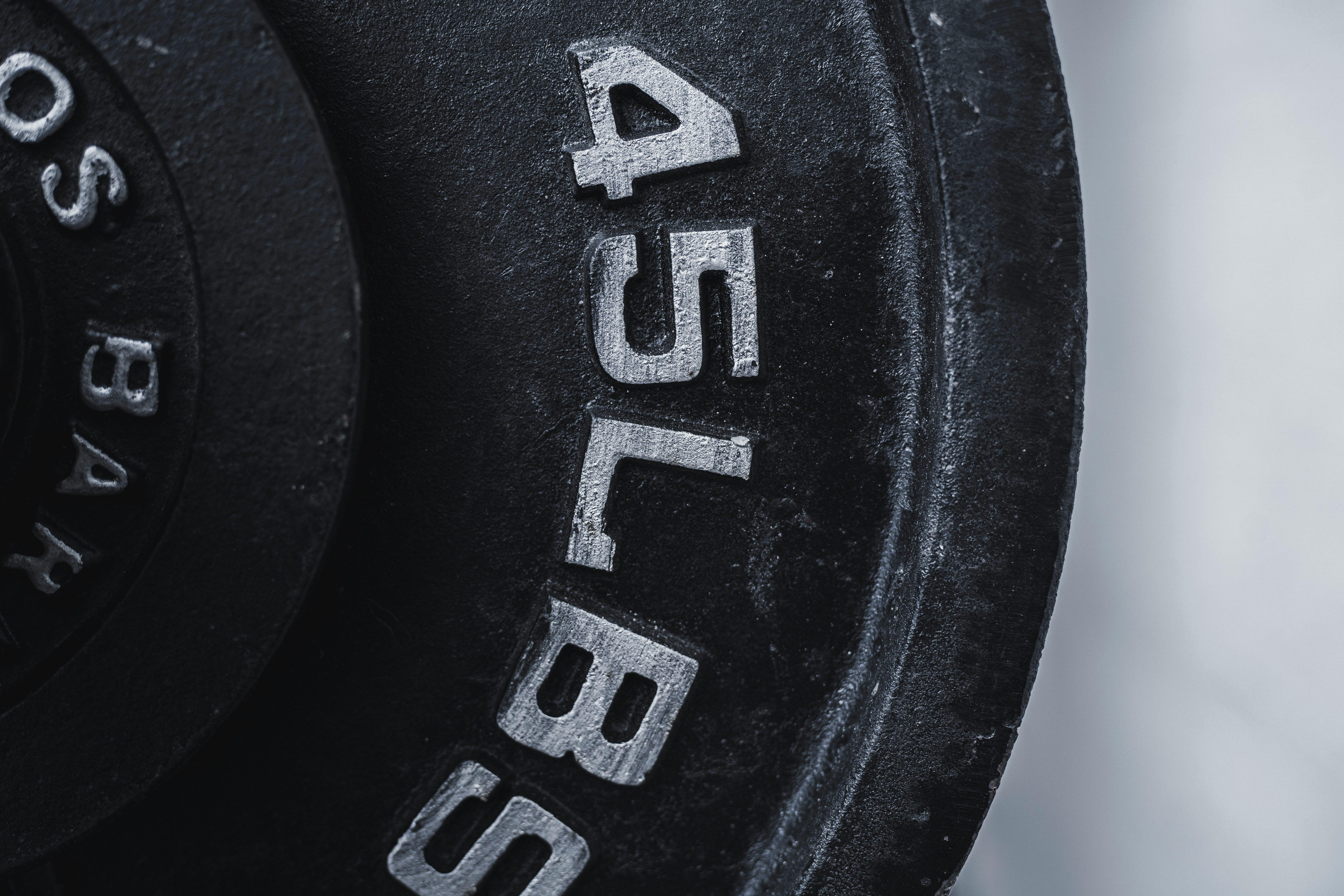
!function(n){if(!window.cnx){window.cnx={},window.cnx.cmd=[];var t=n.createElement('iframe');t.display='none',t.onload=function(){var n=t.contentWindow.document,c=n.createElement('script');c.src='//cd.connatix.com/connatix.player.js',c.setAttribute('async','1'),c.setAttribute('type','text/javascript'),n.body.appendChild(c)},n.head.appendChild(t)}}(document);(new Image()).src = 'https://capi.connatix.com/tr/si?token=8b034f64-513c-4987-b16f-42d6008f7feb';cnx.cmd.push(function(){cnx({"playerId":"8b034f64-513c-4987-b16f-42d6008f7feb","mediaId":"a906fad2-edaf-4955-9855-0aff4cf6d3a0"}).render("6aa80c0be4b054da7a236897");}); We’re not quite sure why we call a pound (as in, the money kind) a “quid”, even though it’s been used since the 1600s. Some think it could come from the Italian “scudo,” the Irish “cuid”, or the Latin “quid pro quo”. But what about the weight kind? I’ve always wondered why pounds get shortened to “lbs” in recipes. And as it turns out, there’s a more solid reason behind the choice than the mysterious “quid”. Why is “lb” short for “pound”? In Ancient Roman times, “Libra Pondo” was a standard unit of measurement, the BBC explained. It stood for “pound weight” and referred to the equivalent value of a pound of silver. We get the English word “pound” from the second part of that term (pondo). And the sterling pound sign also derives from the Latin – £ is just a stylised “L” with a line or two drawn through it to distinguish it from a regular letter, according to the Bank of England. Meanwhile, “lb” became short for “libra pondo” for the weight type of pound. But because of a long-standing correlation between UK money and its equivalent weight in precious metals like gold, the two definitions were closely tied together. Right. So what about ounces? Ounces also have a less-obvious abbreviation: oz. Not even its Latin root, “unica”, seems to explain the shortened term. (Unica, which referred to a twelfth of a Roman foot or inch, is also the root word for “inch”). However, according to The Week, “the word came into English from Anglo-Norman French, where it was unce or ounce, but the abbreviation was borrowed from Medieval Italian, where the word was onza”. Though it wasn’t spelled as the word we later adopted, merchants seem to have kept the old Italian format anyway. The more you know... Related... I Just Learned What USB Really Stands For, And I Had No Idea I Just Realised What CAPTCHA Really Stands For, And It's So Smart I Just Realised What 'Pepsi' Really Stands For, And It's More Medical Than I Thought
We’re not quite sure why we call a pound (as in, the money kind) a “quid”, even though it’s been used since the 1600s. Some think it could come from the Italian “scudo,” the Irish “cuid”, or the Latin “quid pro quo”. But what about the weight kind? I’ve always wondered why pounds get shortened to “lbs” in recipes. And as it turns out, there’s a more solid reason behind the choice than the mysterious “quid”. Why is “lb” short for “pound”? In Ancient Roman times, “Libra Pondo” was a standard unit of measurement, the BBC explained. It stood for “pound weight” and referred to the equivalent value of a pound of silver. We get the English word “pound” from the second part of that term (pondo). And the sterling pound sign also derives from the Latin – £ is just a stylised “L” with a line or two drawn through it to distinguish it from a regular letter, according to the Bank of England. Meanwhile, “lb” became short for “libra pondo” for the weight type of pound. But because of a long-standing correlation between UK money and its equivalent weight in precious metals like gold, the two definitions were closely tied together. Right. So what about ounces? Ounces also have a less-obvious abbreviation: oz. Not even its Latin root, “unica”, seems to explain the shortened term. (Unica, which referred to a twelfth of a Roman foot or inch, is also the root word for “inch”). However, according to The Week, “the word came into English from Anglo-Norman French, where it was unce or ounce, but the abbreviation was borrowed from Medieval Italian, where the word was onza”. Though it wasn’t spelled as the word we later adopted, merchants seem to have kept the old Italian format anyway. The more you know... Related... I Just Learned What USB Really Stands For, And I Had No Idea I Just Realised What CAPTCHA Really Stands For, And It's So Smart I Just Realised What 'Pepsi' Really Stands For, And It's More Medical Than I Thought