
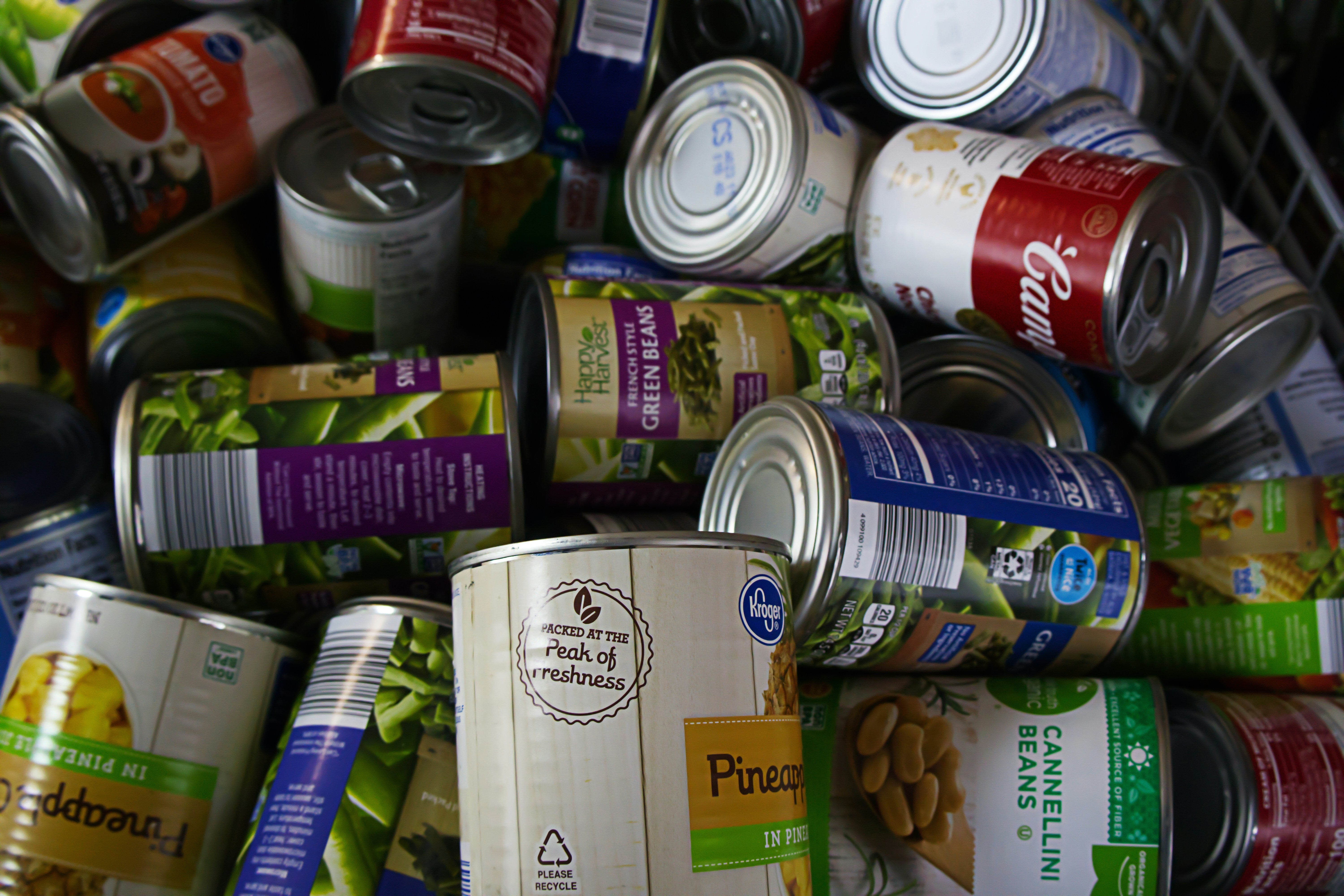
The government is working on “resilience” guidance to help those in the UK prepare for threats like cyberattacks, according to the Financial Times. A source told the publication that this will include “common sense” advice on “things you can do to improve domestic resilience, like having some bottled water and tinned food” on hand. Meanwhile, environment secretary Dame Angela Eagle recently said that because of extreme weather events like the “super” El Niño – which could trigger storms in the UK – “if you’ve got a store of a bit of food that can keep you going for a while before the emergency services can get to you, you’re going to be a lot better off than if you haven’t”. But what, exactly, should we be stocking up on? HuffPost UK reached out to registered dietitian Jennifer Low, the owner of JL Nutrition Clinic, about what those trying to build up their stores should consider buying. And she shared some meal ideas to make, too. What to buy when building emergency food stores 1) Tinned foods Canned foods, which can last for years, are an obvious first step for those looking to build a back-up food supply. The expert recommended: Tinned fish or meat (high in protein), Tinned fruit and vegetables (a source of carbs, vitamins, and fibre), Pulses and beans (great for satiety and high in protein and fibre). These don’t need to be cooked, which is especially useful in the case of a blackout. 2) Dried foods Like canned items, dried foods can last an incredibly long time because they don’t have much bacteria-friendly moisture left in them. The dietitian said some particularly good buys include: Dried fruit (great for fibre, minerals, and antioxidants), Dried herbs, salt, and pepper (to add flavour to bland dishes). 3) Carbs Some great sources of carbohydrates that can last a really long time on the shelf include: Cereals (which can be fortified with minerals like iron), Oats (good for your gut), Tinned potatoes (a surprisingly good source of potassium). 4) Snacks If you need something to keep you going between meals, Low suggests: Nuts (high in nutrients and great for your heart), Seeds (rich in healthy fats and fibre, and good for the immune system), Oat bars (a long-lasting energy boost). 5) Dairy She recommends some inexpensive options, like: Longline, or UHT, milk, or Plant-based alternatives that are fortified, Both provide a welcome boost of calcium and ease the pressure on your drinking water supplies. 6) Extras You’ll “also need a source of fats, so olive oil would be good to have in,” the expert advised. It’s high in monounsaturated fats, which are better for your heart. Balsamic vinegar and other long-lasting condiments can make flavourless food more palatable, too. 7) Water The expert said it “is very difficult to give a precise number” on how much drinking water you should store, but “general recommendations are around two litres per person per day”. What not to buy 1) Anything bulky You probably won’t be able to live with food so bulky that it takes over a room, the pro told us. “This is why tinned food can be helpful, as you can stack it in a cupboard.” 2) Anything fresh or perishable Fruit and veg are great in theory, but the fresh kind goes bad quickly, she explained, so it’s not suitable for stockpiling. And “if you lose power, your freezer will also defrost, and you won’t have a fridge either, which means that anything perishable will not be helpful in this situation”. What meals can I make with this food? Some meal ideas include UHT milk with “cereals or oats and tinned fruit” for a balanced breakfast or snack. And for the rest of the day, she said “we want to try and ensure balanced meals, so a mixture of carbohydrates (tinned potatoes, oats, cereals), protein (tinned beans, fish, meat) and veg/fruit (tinned or dried fruit)”. The dietitian continued to say that olive oil can be a great way to balance food that lacks fat, “as this can be added to any savoury dish – around one teaspoon per person per meal”. She ended: “Always check the use-by dates on anything that you keep in a store cupboard. And when you are planning what to buy, have a look at the Eatwell Guide (UK) for more ideas of how to get the nutrients you need during this time.” Related... A 'Super' El Niño Is Brewing, Here’s How It Could Impact Your Food Shop 6 Foods A GP Says We Should Consider Tapering Out After 65 5 Foods That Help With Healthy Ageing (And 2 That Make It Worse)
Back to Lifestyle
Lifestyle
September 23, 2026 at 5:40 AM
9 Of The Best (And Worst) Foods To Stock Up On For An Emergency, According To A Dietitian
HuffPost UK