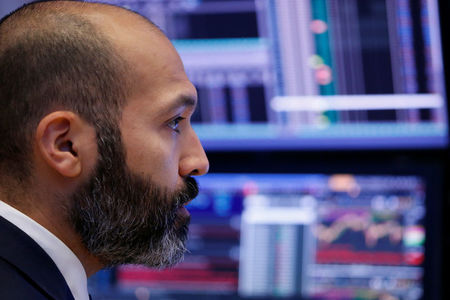
Microsoft CEO Satya Nadella. Sven Hoppe/picture alliance via Getty Images Microsoft held its AI capex forecast steady, sending its shares surging. Last week, Google raised its capex projection again. Microsoft is one of the first tech giants to step away from the ever-rising AI capex spending spree. Microsoft kept its capex forecast unchanged on Wednesday, becoming one of the first data center giants to hold the line on the industry's runaway AI spending spree. The stock surged about 8% on the news. Earlier this year, the company said it planned to spend $190 billion on capital expenditures this calendar year. On Wednesday's earnings call, Microsoft kept this spending forecast steady. Due to an accounting change, this capex guidance is now $175 billion. However, in reality, Microsoft is keeping its AI capex plan the same for this year. The decision to keep a lid on capex is unusual. Most cloud giants have been steadily increasing their AI spending forecasts as they race each other to grab a big share of this fast-growing market. However, investors have become increasingly concerned about the returns on these huge investments. That's led some on Wall Street to wonder whether tech giants would blink during this earning season. Alphabet recently increased its capex projection by $15 billion. Tesla also bumped up its own projection. Both stocks fell sharply last week on the news as investors punished the higher spending plans. And on Wednesday, Meta narrowed its own capex forecast range, raising the midpoint by $2.5 billion for the year. Even prior to Alphabet's increased forecast, Google, Amazon, Microsoft, and Meta had already laid out plans to spend more than $700 billion this year largely on AI data centers. That spending binge has sent the price of memory chips soaring this year. Memory is a big part of data center costs, so these increases have made it more expensive to build AI capacity. This means that rising AI capex forecasts have been at least partly driven by higher memory costs, rather than new plans to build more capacity. Earlier research found that soaring memory prices could explain about 45% of the growth in capex by the big cloud companies this year. So, with Microsoft keeping its capex plans steady, this could imply the company actually ends up pulling back slightly from building more capacity. Have a tip? Contact this reporter via email at astewart@businessinsider.com or Signal at +1-425-344-8242. Use a personal email address and a nonwork device; here's our guide to sharing information securely. Read the original article on Business Insider
Microsoft CEO Satya Nadella.Sven Hoppe/picture alliance via Getty Images Microsoft held its AI capex forecast steady, sending its shares surging. Last week, Google raised its capex projection again. Microsoft is one of the first tech giants to step away from the ever-rising AI capex spending spree. Microsoft kept its capex forecast unchanged on Wednesday, becoming one of the first data center giants to hold the line on the industry's runaway AI spending spree. The stock surged about 8% on the news. Earlier this year, the company said it planned to spend $190 billion on capital expenditures this calendar year. On Wednesday's earnings call, Microsoft kept this spending forecast steady. Due to an accounting change, this capex guidance is now $175 billion. However, in reality, Microsoft is keeping its AI capex plan the same for this year. The decision to keep a lid on capex is unusual. Most cloud giants have been steadily increasing their AI spending forecasts as they race each other to grab a big share of this fast-growing market. However, investors have become increasingly concerned about the returns on these huge investments. That's led some on Wall Street to wonder whether tech giants would blink during this earning season. Alphabet recently increased its capex projection by $15 billion. Tesla also bumped up its own projection. Both stocks fell sharply last week on the news as investors punished the higher spending plans. And on Wednesday, Meta narrowed its own capex forecast range, raising the midpoint by $2.5 billion for the year. Even prior to Alphabet's increased forecast, Google, Amazon, Microsoft, and Meta had already laid out plans to spend more than $700 billion this year largely on AI data centers. That spending binge has sent the price of memory chips soaring this year. Memory is a big part of data center costs, so these increases have made it more expensive to build AI capacity. This means that rising AI capex forecasts have been at least partly driven by higher memory costs, rather than new plans to build more capacity. Earlier research found that soaring memory prices could explain about 45% of the growth in capex by the big cloud companies this year. So, with Microsoft keeping its capex plans steady, this could imply the company actually ends up pulling back slightly from building more capacity. Have a tip? Contact this reporter via email at astewart@businessinsider.com or Signal at +1-425-344-8242. Use a personal email address and a nonwork device; here's our guide to sharing information securely. Read the original article on Business Insider