
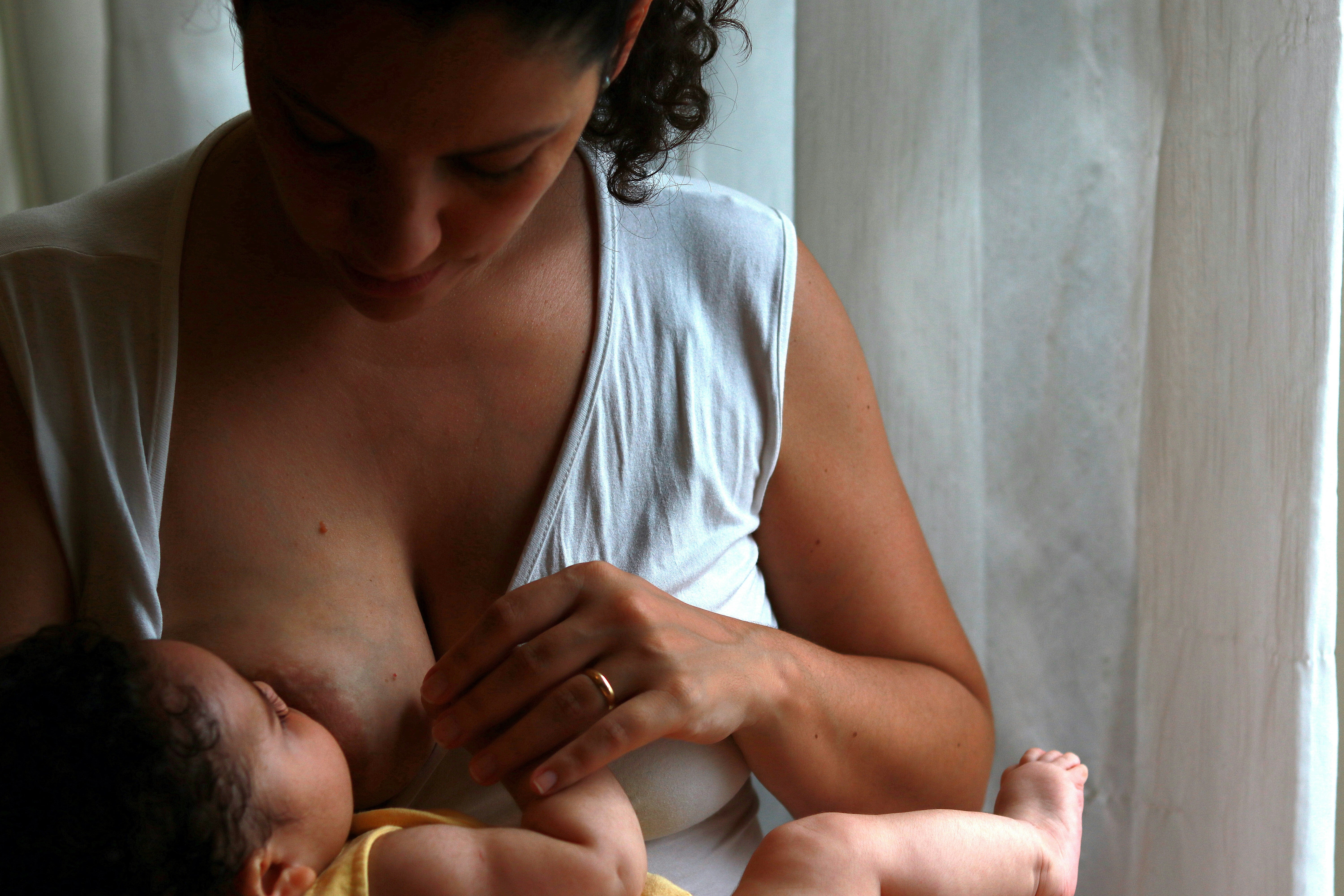
!function(n){if(!window.cnx){window.cnx={},window.cnx.cmd=[];var t=n.createElement('iframe');t.display='none',t.onload=function(){var n=t.contentWindow.document,c=n.createElement('script');c.src='//cd.connatix.com/connatix.player.js',c.setAttribute('async','1'),c.setAttribute('type','text/javascript'),n.body.appendChild(c)},n.head.appendChild(t)}}(document);(new Image()).src = 'https://capi.connatix.com/tr/si?token=5a777b9b-81fe-41a6-8302-59e9953ee8a2';cnx.cmd.push(function(){cnx({"playerId":"5a777b9b-81fe-41a6-8302-59e9953ee8a2","mediaId":"c41e05a6-7ba0-42f1-8023-0f5ff30eab87"}).render("6a831e62e4b05886dff5c114");}); The first year after a baby is born can be a complete blur for new parents – I’ve been there twice, and I feel like I was delirious for about 90% of it. Between the sleep deprivation, the constant state of high alert and the mental and physical recovery, it’s really no wonder so many new parents feel so exhausted. Those who choose to breastfeed might also notice this makes them feel more wiped – even after months of milk production. (I breastfed for two years and felt just as exhausted by year two than I did earlier on in my journey.) Google searches for “does breastfeeding make you tired?” have gone up by more than 5,000% recently, according to analysis by Proceive Breastfeeding. The answer is certainly, yes. But why? Why does breastfeeding make you SO tired? Well, there are several reasons. Dr Nikki Ramskill, a GP verified on the healthcare review platform Doctify, and founder of The Female Health Doctor Clinic, told HuffPost UK: “Firstly, your body is doing a huge amount of work behind the scenes. Prolactin, the hormone responsible for milk production, naturally has a calming, sleepy effect, and levels rise overnight. “Producing breast milk also requires extra energy, roughly 300-500 calories a day, at a time when your body is still recovering from pregnancy and birth.” Broken sleep will also play a part. “It’s not always about how many hours you’re getting in total. If you’re waking every couple of hours to feed, you’re repeatedly being pulled out of the deeper, restorative stages of sleep,” Dr Ramskill explained. “You can technically have had six or seven hours of sleep across a night and still wake up feeling absolutely shattered.” Luiza Braun on Unsplash" />Does breastfeeding make you tired? There’s the nutrient loss to consider, too. Registered nutritionist Charlotte Grand, who works with Proceive, said: “The mother’s body prioritises the baby above all else. Breastfeeding actively draws critical micronutrients, including B vitamins, vitamin D, zinc, and iron, directly from the mother’s tissue stores to ensure the milk is perfectly balanced. “Because this continuous nutrient loss drains her internal reserves, it can quickly lead to systemic depletion and profound fatigue if those vitamins are not actively replenished.” And as if all of that wasn’t enough, there’s another factor that can be fuelling breastfeeding fatigue over the summer – and that’s the hot weather. In Japan, summer exhaustion has an actual name: “natsubate”. “During a heatwave, your body has to work much harder to keep your core temperature in a safe range,” Dr Ginni Mansberg, a GP and co-founder of ESK, previously told us. “That means diverting blood to the skin, increasing sweating and making your heart work a little harder.” When it’s hot, you’re at risk of dehydration – and breastfeeding increases your fluid requirements, so it becomes even easier to become dehydrated. Dr Ramskill noted even mild dehydration can leave you feeling tired, headachy and generally wiped out. What can I do about it? Thankfully, there are a few ways to help try and ease the feeling of fatigue. Dr Ramskill suggested keeping a bottle of water next to you every time you feed, and making sure you’re eating enough. “I’d favour small, regular meals or snacks containing protein and iron rather than trying to keep yourself functioning on caffeine and sugary snacks,” she added. Grand recommended also introducing a supplement to replace the micronutrients being depleted. (Proceive offer one, as do brands like Vitabiotics and Wild Nutrition). She also urges mums to “honour the prolactin window”. Explaining this further, she said: “Since prolactin naturally induces drowsiness during a feed, mothers should try to align their rest with the baby’s schedule where possible. Even a 20-minute resting block immediately following a morning feed can help reset the nervous system.” Don’t assume extreme tiredness is caused by breastfeeding “Postpartum blood loss, combined with the iron demands of breastfeeding, makes subclinical iron deficiency a major driver of fatigue,” said Grand, who advised incorporating iron-rich foods (like lean meats, lentils, and leafy greens) alongside vitamin C (which optimises iron absorption). Dr Ramskill agrees, noting that iron deficiency and anaemia are “incredibly common” after pregnancy, particularly in those who lost a significant amount of blood during birth. Signs of iron deficiency anaemia can include: tiredness, lack of energy, shortness of breath, heart palpitations, looking paler than usual and headaches. “B12, vitamin D and thyroid function are also worth considering if the exhaustion feels excessive or simply isn’t improving,” the GP added. “Postpartum thyroid problems, for example, can easily be mistaken for the normal tiredness and upheaval of having a new baby.” Most new mums are going to be tired – but that doesn’t mean it should be ignored. Don’t be afraid to ask your support network for help with feeds or taking the baby so you can get some rest. And if the tiredness feels overwhelming, is getting worse rather than better, or doesn’t improve at all when you do manage to rest, speak to your GP. “Symptoms such as breathlessness, dizziness, palpitations, significant weight changes, feeling unusually hot or cold, or heavy or prolonged bleeding are also worth investigating,” claimed Dr Ramskill. “And I’d pay particular attention to mental health. Persistent low mood, anxiety, intrusive thoughts or feeling unable to cope shouldn’t simply be put down to being a tired new mum.” Related... Paloma Faith's Breastfeeding Admission Has A Lot Of Us Nodding In Agreement 'My Mother-In-Law Huffed At Me For Breastfeeding. Was My Reaction Unfair?' Can Your Nipple Actually Fall Off While Breastfeeding? Here's What An Expert Says
The first year after a baby is born can be a complete blur for new parents – I’ve been there twice, and I feel like I was delirious for about 90% of it. Between the sleep deprivation, the constant state of high alert and the mental and physical recovery, it’s really no wonder so many new parents feel so exhausted. Those who choose to breastfeed might also notice this makes them feel more wiped – even after months of milk production. (I breastfed for two years and felt just as exhausted by year two than I did earlier on in my journey.) Google searches for “does breastfeeding make you tired?” have gone up by more than 5,000% recently, according to analysis by Proceive Breastfeeding. The answer is certainly, yes. But why? Why does breastfeeding make you SO tired? Well, there are several reasons. Dr Nikki Ramskill, a GP verified on the healthcare review platform Doctify, and founder of The Female Health Doctor Clinic, told HuffPost UK: “Firstly, your body is doing a huge amount of work behind the scenes. Prolactin, the hormone responsible for milk production, naturally has a calming, sleepy effect, and levels rise overnight. “Producing breast milk also requires extra energy, roughly 300-500 calories a day, at a time when your body is still recovering from pregnancy and birth.” Broken sleep will also play a part. “It’s not always about how many hours you’re getting in total. If you’re waking every couple of hours to feed, you’re repeatedly being pulled out of the deeper, restorative stages of sleep,” Dr Ramskill explained. “You can technically have had six or seven hours of sleep across a night and still wake up feeling absolutely shattered.” Luiza Braun on Unsplash" />Does breastfeeding make you tired? There’s the nutrient loss to consider, too. Registered nutritionist Charlotte Grand, who works with Proceive, said: “The mother’s body prioritises the baby above all else. Breastfeeding actively draws critical micronutrients, including B vitamins, vitamin D, zinc, and iron, directly from the mother’s tissue stores to ensure the milk is perfectly balanced. “Because this continuous nutrient loss drains her internal reserves, it can quickly lead to systemic depletion and profound fatigue if those vitamins are not actively replenished.” And as if all of that wasn’t enough, there’s another factor that can be fuelling breastfeeding fatigue over the summer – and that’s the hot weather. In Japan, summer exhaustion has an actual name: “natsubate”. “During a heatwave, your body has to work much harder to keep your core temperature in a safe range,” Dr Ginni Mansberg, a GP and co-founder of ESK, previously told us. “That means diverting blood to the skin, increasing sweating and making your heart work a little harder.” When it’s hot, you’re at risk of dehydration – and breastfeeding increases your fluid requirements, so it becomes even easier to become dehydrated. Dr Ramskill noted even mild dehydration can leave you feeling tired, headachy and generally wiped out. What can I do about it? Thankfully, there are a few ways to help try and ease the feeling of fatigue. Dr Ramskill suggested keeping a bottle of water next to you every time you feed, and making sure you’re eating enough. “I’d favour small, regular meals or snacks containing protein and iron rather than trying to keep yourself functioning on caffeine and sugary snacks,” she added. Grand recommended also introducing a supplement to replace the micronutrients being depleted. (Proceive offer one, as do brands like Vitabiotics and Wild Nutrition). She also urges mums to “honour the prolactin window”. Explaining this further, she said: “Since prolactin naturally induces drowsiness during a feed, mothers should try to align their rest with the baby’s schedule where possible. Even a 20-minute resting block immediately following a morning feed can help reset the nervous system.” Don’t assume extreme tiredness is caused by breastfeeding “Postpartum blood loss, combined with the iron demands of breastfeeding, makes subclinical iron deficiency a major driver of fatigue,” said Grand, who advised incorporating iron-rich foods (like lean meats, lentils, and leafy greens) alongside vitamin C (which optimises iron absorption). Dr Ramskill agrees, noting that iron deficiency and anaemia are “incredibly common” after pregnancy, particularly in those who lost a significant amount of blood during birth. Signs of iron deficiency anaemia can include: tiredness, lack of energy, shortness of breath, heart palpitations, looking paler than usual and headaches. “B12, vitamin D and thyroid function are also worth considering if the exhaustion feels excessive or simply isn’t improving,” the GP added. “Postpartum thyroid problems, for example, can easily be mistaken for the normal tiredness and upheaval of having a new baby.” Most new mums are going to be tired – but that doesn’t mean it should be ignored. Don’t be afraid to ask your support network for help with feeds or taking the baby so you can get some rest. And if the tiredness feels overwhelming, is getting worse rather than better, or doesn’t improve at all when you do manage to rest, speak to your GP. “Symptoms such as breathlessness, dizziness, palpitations, significant weight changes, feeling unusually hot or cold, or heavy or prolonged bleeding are also worth investigating,” claimed Dr Ramskill. “And I’d pay particular attention to mental health. Persistent low mood, anxiety, intrusive thoughts or feeling unable to cope shouldn’t simply be put down to being a tired new mum.” Related... Paloma Faith's Breastfeeding Admission Has A Lot Of Us Nodding In Agreement 'My Mother-In-Law Huffed At Me For Breastfeeding. Was My Reaction Unfair?' Can Your Nipple Actually Fall Off While Breastfeeding? Here's What An Expert Says