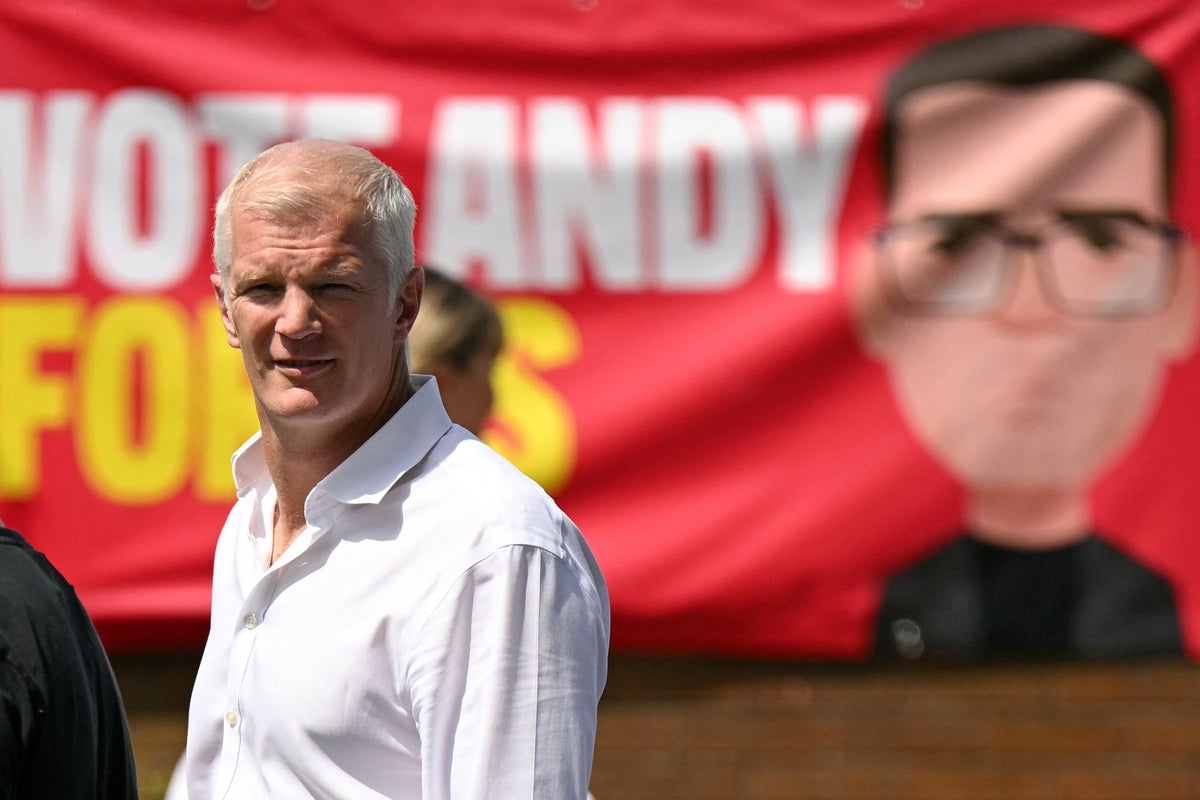
When it comes to driving an agenda from No 10, the prime minister seems to have learned important lessons from his predecessor’s failure Before entering Downing Street, Andy Burnham cited the overcentralisation of power as a cause of Britain’s social and economic malaise. In his first week, the new prime minister has signalled his intent to bolster No 10 as an organ of executive power. The apparent contradiction – fortifying the centre to pursue an agenda of decentralisation – arises from a perversity in the way the British state works or, rather, fails to work. The prime minister is right that too much policy has historically been directed from Whitehall. Reforms in recent years have created institutions with varying degrees of local autonomy – elected mayoralties like the one in Manchester that afforded Mr Burnham a platform for national prominence. But genuine control, especially when it comes to fiscal policy, has not matched the rhetoric of devolution. The Treasury is wary of facilitating profligacy in lower tiers of government. Heads of devolved administrations are also adept at claiming credit when things go well and, when they go badly, diverting the blame on to national government. Continue reading...
Back to Politics

Politics
July 22, 2026 at 5:30 PM
The Guardian view on Andy Burnham and devolution: it takes a powerful centre to decentralise power | Editorial
The Guardian Politics