
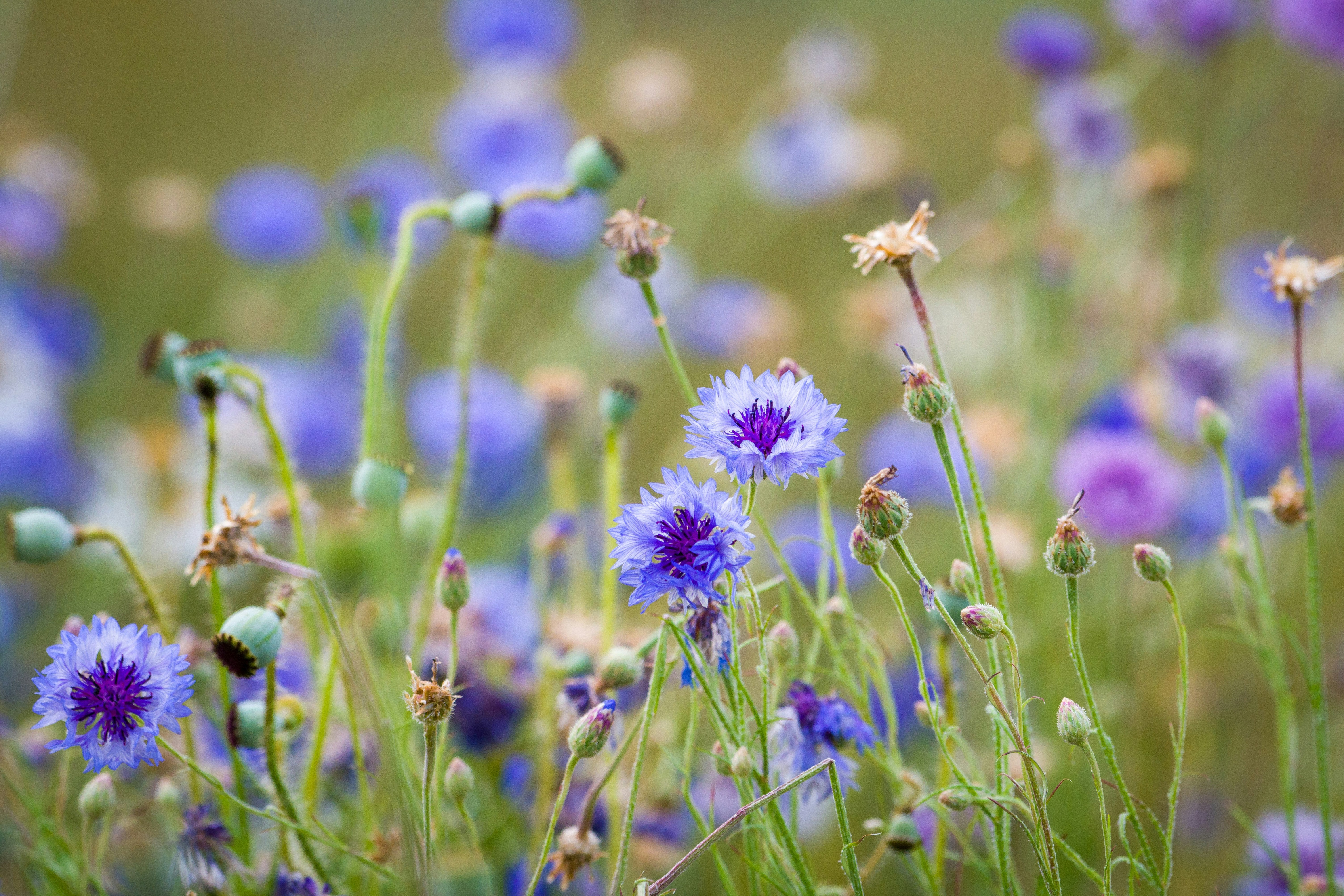
Drought-proof wildflowers that can brighten your garden It’s been a dire summer for gardeners. All of our plans, all of our meticulously-chosen plants and flowers have gone out the window as we try to keep them alive through what has been the driest summer on record. Yeesh. It’s tempting to write the whole thing off and hope that next summer will be a little more mild, a little more damp and a little less scorching but there are actually some flowers we can plant now that will cope even if we do go through another prolonged dry period before autumn hits. Dr Emily Attlee, conservation scientist and co-founder of the original seed ball company, Seedball, advises: “As drought conditions intensify and hosepipe bans become more frequent, gardeners are understandably looking for ways to build resilience into their outdoor spaces. One answer lies in wildflowers. Many native species are well adapted to cope with dry spells and still deliver an impressive display.” Drought-proof wildflowers that can brighten your garden Coneflowers Dr Attlee says: “These vibrant, native wildflowers aren’t just a feast for the eyes – they’re also tough, reliable perennials that return year after year. Easy to grow and adored by pollinators, coneflowers offer long-lasting colour and valuable drought resistance.” Oxeye Daisy “Often seen on roadside verges, oxeye daisies thrive on neglect. They do well in poor soil and need very little watering once established. These cheerful self-seeders bring rustic charm to a garden while supporting local pollinators.” Uh. I’m obsessed. Meadow Cranesbill “Young plants may need some water at first”, Dr Attlee explains. “But once established, meadow cranesbill performs brilliantly in dry, well-drained soils. Part of the geranium family, it produces beautiful violet flowers and supports a wide range of pollinators.” Musk Mallow “With its soft pink blooms and classic cottage garden appeal, musk mallow is both hardy and low maintenance. It tolerates drought well, disappears in autumn, and returns reliably each spring, making it a wildlife-friendly favourite.” So pretty!!! Cornflowers Dainty! Dr Attlee says: “Known for their striking blue blooms, cornflowers feature frilled petals and curly stamens that attract bees and other beneficial insects. They’re happy in dry conditions once settled and bring texture and vibrancy to the garden.” Wildflowers future-proof your garden If you are concerned about the summers in years to come, Dr Attlee advises that wildflowers are a safe choice. She explains: “These are just a handful of examples. In fact, most native wildflowers have evolved to cope with drought once established. “Many store seeds beneath the soil, ready to regenerate when conditions improve. So, if you’re looking to future-proof your garden, wildflowers are a smart, sustainable choice.” Brb, brightening up my dusty garden. Related... Garden Experts Share 6 Tips To Heatwave-Proof Your Outdoor Space For 2027 A Bird-Like Moth Is Making UK Gardeners 'Gasp' This Summer The August Gardening Jobs To Do As Summer Winds Down
Back to Lifestyle
Lifestyle
August 12, 2026 at 6:38 PM
Forget Dying Plants: The Best Drought-Proof Wildflowers For A Blooming August Garden
HuffPost UK