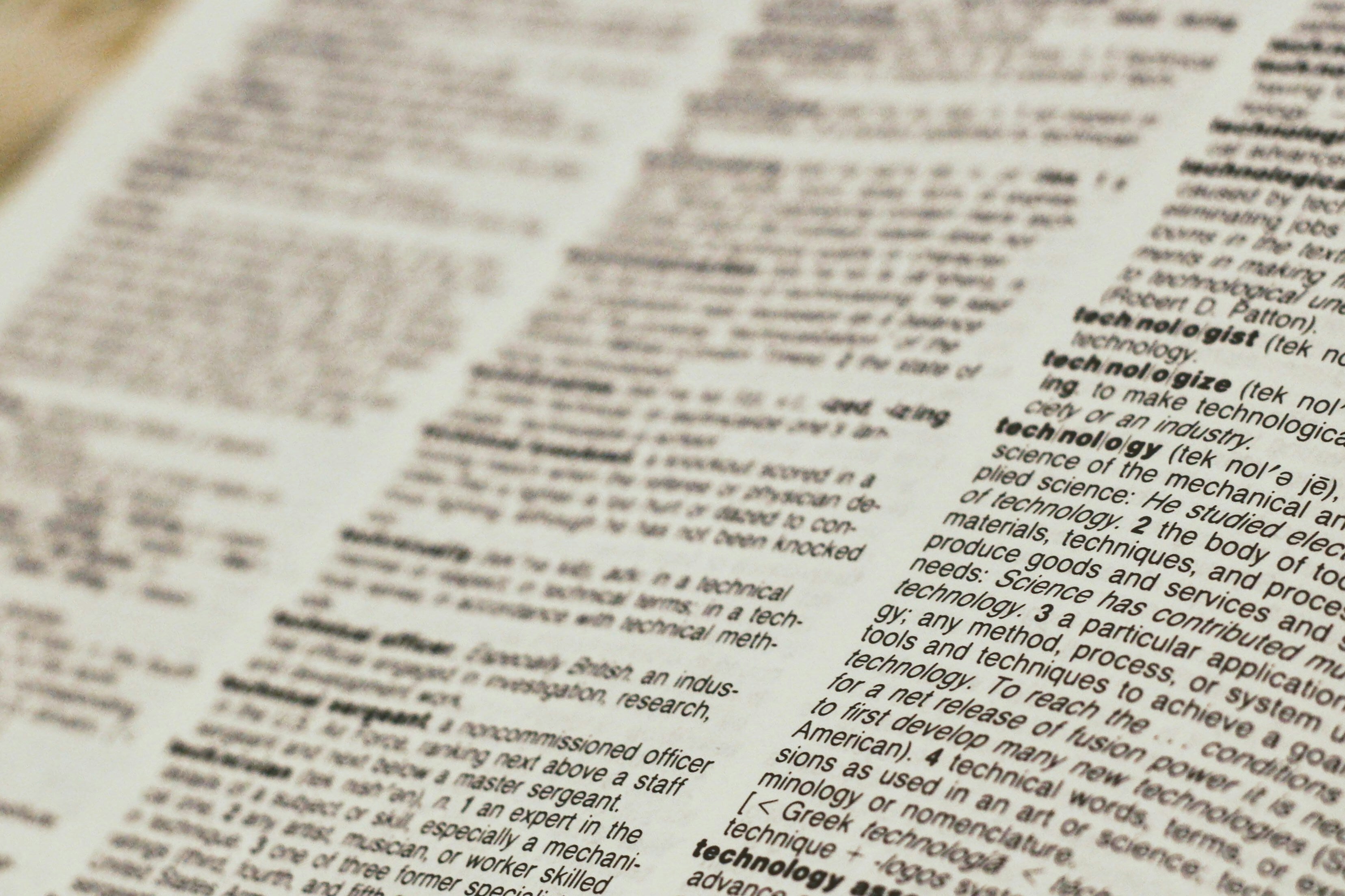
Ever heard of “looksmaxxing”? If you haven’t, your child might have – it’s an online term referring to the sometimes extreme pursuit of physical perfection. Maybe you’ve been “Rickrolled”, or sent a link to Rick Astley’s Never Gonna Give You Up music video in disguise as a prank. To handle this humiliation, perhaps you’ll indulge in “copium”, or the “avoidance, denial, or minimisation” of a negative or embarrassing circumstance or situation. These are all examples of the 1,400 new words and definitions recently added to Merriam-Webster’s dictionary. The additions “reflect words and meanings that have demonstrated widespread use over time, offering a window into the world today,” the dictionary’s site reads. Why have these new words been added? Some of these fresh entries – AGI, short for “artificial general intelligence”, and “glow-up,” which means a “dramatic positive change in someone or something’s physical appearance” – feel quite zeitgeist-y. But Merriam-Webster said that it’s trying to avoid entering “flash in the pan” trends into their centuries-old publication. Instead, the dictionary looks for words which meet three criteria: frequent, widespread, and meaningful use. That means additions have to be used often, over a sustained period of time. People from different industries and locations need to be able to recognise the word, and it has to have a useful meaning. Still, there is “no committee, no advocacy, no meetings for new word inclusion” for this edition. A suggestion can be denied but later admitted; time may prove or disprove its relevance. What are some of the new words in Merriam-Webster’s dictionary? Here are some of the new entries, as well as their meanings: Superfood – “a food...that is rich in nutrients”, Chili crisp – “a spicy, crunchy condiment made typically of oil, fried chili peppers, and often other aromatics”, Cake pop – “a lollipop... made usually of a compressed ball of cake crumbs and icing”, Cuffing season – “a time of the year when people who are not married or in a relationship begin looking for a short-term romantic partner to spend the colder months of the year with”, Crashout – “a mental or emotional breakdown”, Yacht rock – “a style of soft rock music originating in the 1970s and 1980s”, California sober – “recreational use of marijuana and/or alcohol combined with abstinence from other drugs”, Shapewear – “tight-fitting undergarments designed to shape and smooth the body”, Neckbeards – either “a socially awkward gamer or computer nerd” or “a misogynistic or ultraconservative Internet troll”, Trash panda – raccoons, Mandela effect – “the experience of many people having the same false memory”, Vibe coding – “using an artificial intelligence system to generate computer code”, AGI – stands for artificial general intelligence, Uncanny valley – “feelings of unease or revulsion in response to the nearly but imperfectly lifelike quality of something”, Promposal – “a creative and often elaborately or extravagantly staged request for someone to be one’s date for a prom”, Parasocial – “a one-sided emotional connection with someone... whom one does not know personally”, Meme coin – “an altcoin that is created typically as a humorous tribute to something... or someone... and that typically has no real utility”. If you want to see how up-to-date your slang knowledge is, read our Gen Z guide. Related... What Does 'Call Your Uber' Mean? The Brutal Gen Z Slang Explained Your Kid Was Asked 'Do You Send'. Here’s What It Means – And How To Respond WTF Does 'You The Birthday' Mean? The Latest Viral Slang Gen Z Are All Over
Back to Lifestyle
Lifestyle
September 21, 2026 at 12:00 PM
'Looksmaxxing' And 'Copium' Among 100s Of New Words Added To Major Dictionary
HuffPost UK