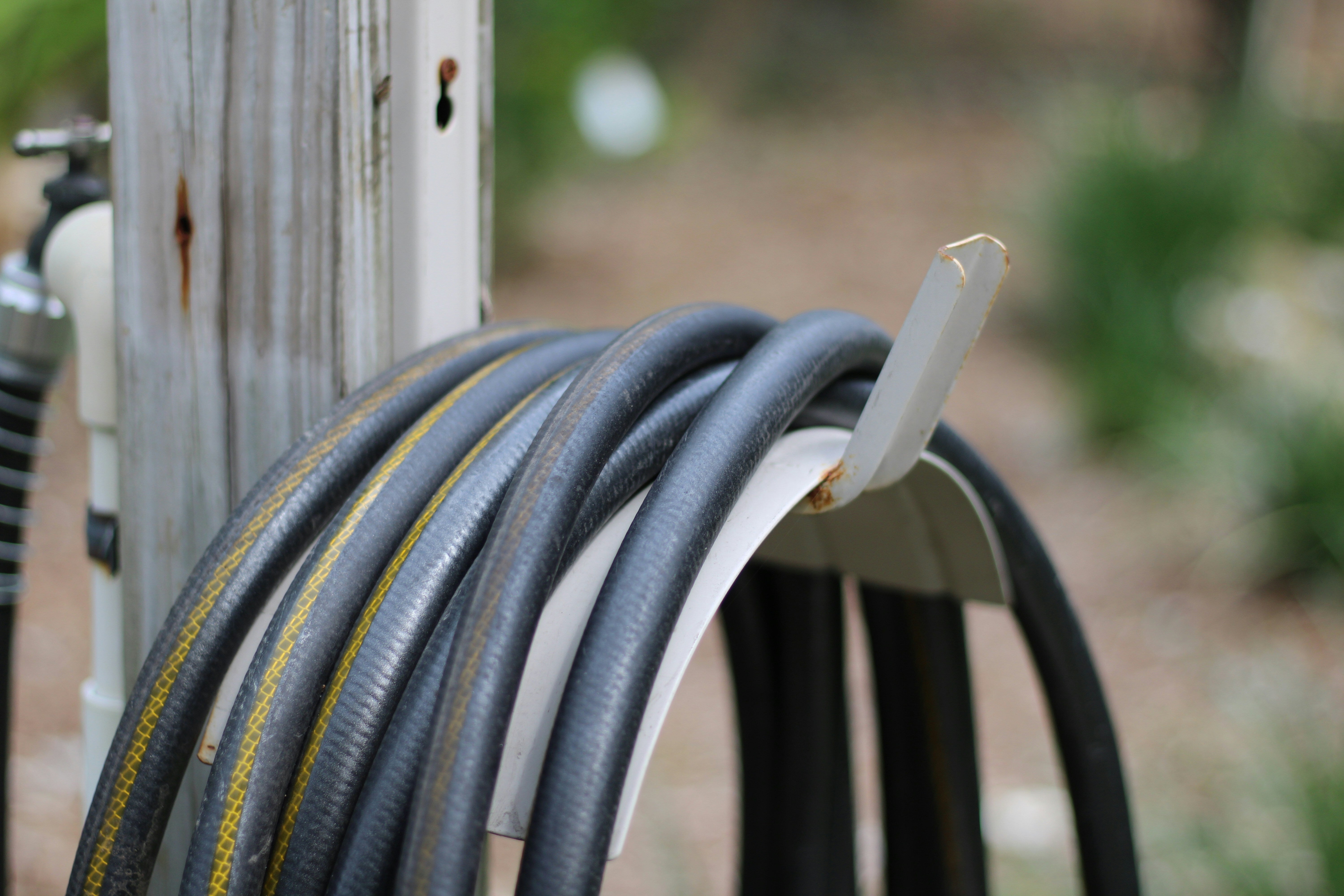
!function(n){if(!window.cnx){window.cnx={},window.cnx.cmd=[];var t=n.createElement('iframe');t.display='none',t.onload=function(){var n=t.contentWindow.document,c=n.createElement('script');c.src='//cd.connatix.com/connatix.player.js',c.setAttribute('async','1'),c.setAttribute('type','text/javascript'),n.body.appendChild(c)},n.head.appendChild(t)}}(document);(new Image()).src = 'https://capi.connatix.com/tr/si?token=8b034f64-513c-4987-b16f-42d6008f7feb';cnx.cmd.push(function(){cnx({"playerId":"8b034f64-513c-4987-b16f-42d6008f7feb","mediaId":"074847b2-9c50-42df-b403-2c625472f8cb"}).render("6a54a59ae4b0107f0db6942e");}); After multiple back-to-back heatwaves, hosepipe bans have been put into place across the UK. This comes after England’s National Drought Group gathered to discuss water availability, with summer projections ranging from “moderate to poor in parts of the country” (though conditions are “relatively healthy” now). Still, not all parts of the UK are likely to be affected equally. This year, the North of England has seen about 90% of expected rainfall, while the South has only gotten half. And usage has been unusually high during the hot weather, too, It makes sense, then, that many of the hosepipe bans have affected the South. Here’s what a hosepipe ban means, where is affected, and when they’re expected to end (if we know): What are the rules of a hosepipe ban? You can’t run water from your mains through a hosepipe for something like filling a swimming pool, washing a car, or watering your garden. You can’t use anything that does the job of a hosepipe to do this, like sprinklers or pressure washers, either. You could face a fine of up to £1,000 if you do. Another name for a hosepipe ban is a temporary usage ban (TUB). Tameside Metropolitan Borough explained, “the average hosepipe uses 170 litres of water for every 10 minutes that it is turned on”. That’s why they’re typically the first to face bans when concerns about water consumption rise. Where has been affected by the hosepipe ban this June? At the time of writing, the areas affected included: 1) Anglian Water This is the first TUB the body has introduced since 2012. It has happened because “we’re using water faster than it can be replaced naturally,” the utility firm explained. The change affects all places serviced by Anglican Water, except Hartlepool. The ban came into place on 1:01am on Saturday 11 July 2026. Anglian Water supplies parts of the following counties: Bedfordshire, Buckinghamshire, Cambridgeshire, Norfolk, Suffolk, Essex, Lincolnshire, Northamptonshire. 2) Cambridge Water Cambridge Water has had restrictions in place since 9 July, 2026. But the utility company added that these will only “be enforceable from 1am on Friday 17 July 2026”. The organisation added it hasn’t had to do this for 30 years. But thanks to 30% higher-than-usual water consumption, “record-breaking weather conditions”, and limited rainfall, the ban has had to be introduced. Cambridge Water covers spots like: Cambridge, Ramsey, Gamlingay, Balsham, Melbourne. You can see a map of all areas serviced here. 3) South East Water The TUB has been in place since 00:01 on Friday, 3 July. This is due to “sustained high temperatures and near record levels of demand”, the company said. South East Water operates across Kent. The ban affects areas like: Ashford, Canterbury, Faversham, Maidstone, Sevenoaks, Snodland, Tenterden, Tunbridge Wells. Use its postcode checker if you’re in Kent and aren’t sure whether you’re affected. 4) Southern Water This became enforceable on 10 July. It’s the second year in a row hosepipe restrictions have affected the area. It was introduced because the River Test, which supplies a lot of its water, was at a “critically low level”. Southern Water covers: Hampshire, The Isle Of Wight. Related... UK Gardeners Warned Never To Do Three Jobs In A Heatwave Why UK Gardeners Should Put Umbrellas Over Plants This Week A Heatwave Watering Mistake Could Bring Mosquitoes To Your Garden
After multiple back-to-back heatwaves, hosepipe bans have been put into place across the UK. This comes after England’s National Drought Group gathered to discuss water availability, with summer projections ranging from “moderate to poor in parts of the country” (though conditions are “relatively healthy” now). Still, not all parts of the UK are likely to be affected equally. This year, the North of England has seen about 90% of expected rainfall, while the South has only gotten half. And usage has been unusually high during the hot weather, too, It makes sense, then, that many of the hosepipe bans have affected the South. Here’s what a hosepipe ban means, where is affected, and when they’re expected to end (if we know): What are the rules of a hosepipe ban? You can’t run water from your mains through a hosepipe for something like filling a swimming pool, washing a car, or watering your garden. You can’t use anything that does the job of a hosepipe to do this, like sprinklers or pressure washers, either. You could face a fine of up to £1,000 if you do. Another name for a hosepipe ban is a temporary usage ban (TUB). Tameside Metropolitan Borough explained, “the average hosepipe uses 170 litres of water for every 10 minutes that it is turned on”. That’s why they’re typically the first to face bans when concerns about water consumption rise. Where has been affected by the hosepipe ban this June? At the time of writing, the areas affected included: 1) Anglian Water This is the first TUB the body has introduced since 2012. It has happened because “we’re using water faster than it can be replaced naturally,” the utility firm explained. The change affects all places serviced by Anglican Water, except Hartlepool. The ban came into place on 1:01am on Saturday 11 July 2026. Anglian Water supplies parts of the following counties: Bedfordshire, Buckinghamshire, Cambridgeshire, Norfolk, Suffolk, Essex, Lincolnshire, Northamptonshire. 2) Cambridge Water Cambridge Water has had restrictions in place since 9 July, 2026. But the utility company added that these will only “be enforceable from 1am on Friday 17 July 2026”. The organisation added it hasn’t had to do this for 30 years. But thanks to 30% higher-than-usual water consumption, “record-breaking weather conditions”, and limited rainfall, the ban has had to be introduced. Cambridge Water covers spots like: Cambridge, Ramsey, Gamlingay, Balsham, Melbourne. You can see a map of all areas serviced here. 3) South East Water The TUB has been in place since 00:01 on Friday, 3 July. This is due to “sustained high temperatures and near record levels of demand”, the company said. South East Water operates across Kent. The ban affects areas like: Ashford, Canterbury, Faversham, Maidstone, Sevenoaks, Snodland, Tenterden, Tunbridge Wells. Use its postcode checker if you’re in Kent and aren’t sure whether you’re affected. 4) Southern Water This became enforceable on 10 July. It’s the second year in a row hosepipe restrictions have affected the area. It was introduced because the River Test, which supplies a lot of its water, was at a “critically low level”. Southern Water covers: Hampshire, The Isle Of Wight. Related... UK Gardeners Warned Never To Do Three Jobs In A Heatwave Why UK Gardeners Should Put Umbrellas Over Plants This Week A Heatwave Watering Mistake Could Bring Mosquitoes To Your Garden