
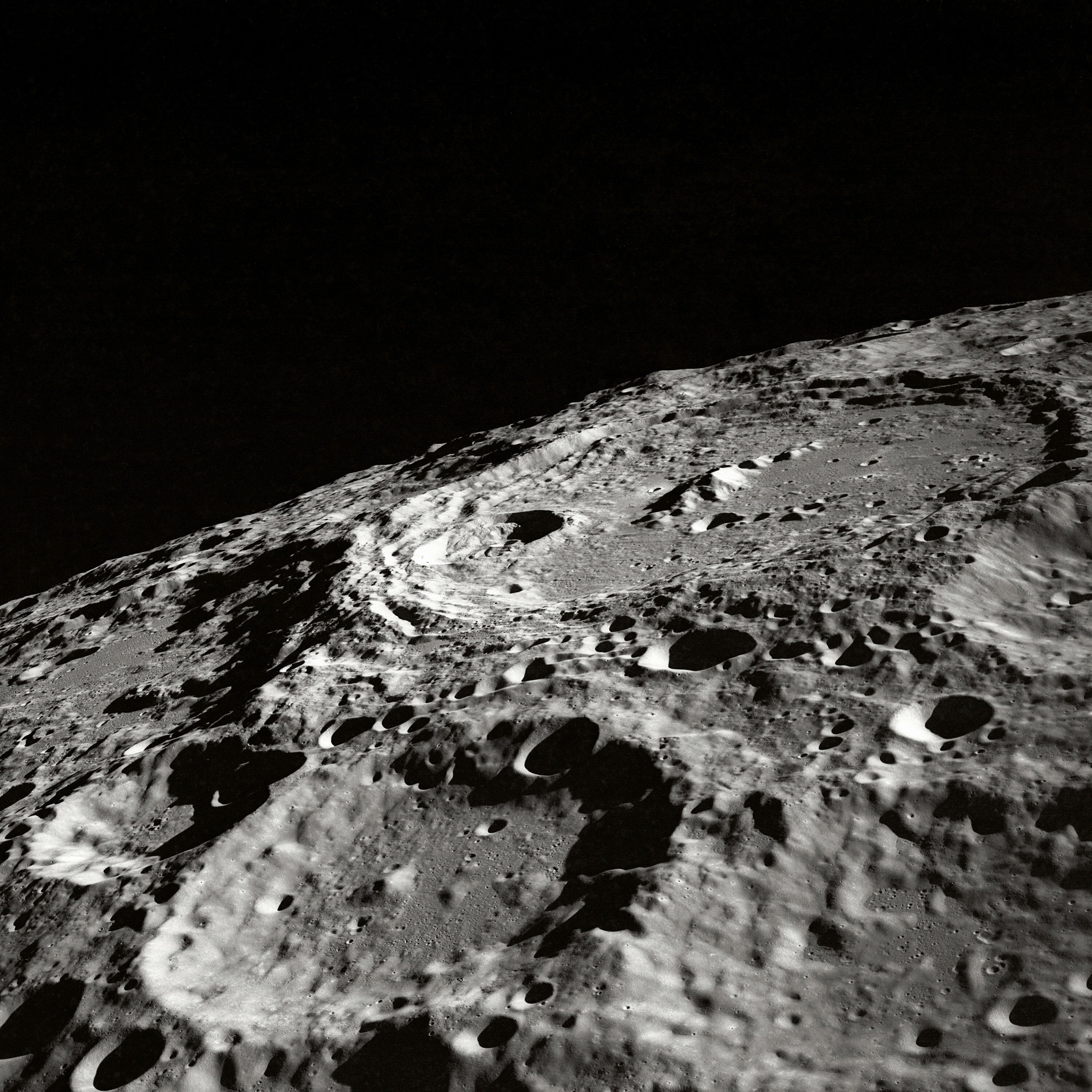
Space research body NASA’s Lunar Reconnaissance Orbiter, or LRO, has been studying the surface of the moon since 2009. It helps astronauts work out where to land and finds resources like water and extended sunlight to help power on-site tools. But when NASA scientist and image processing specialist Robert Wagner spotted a huge bright spot in its recordings, surrounded by a dark “halo” that suggested a disturbance and displaced rock, he said he “stopped, dropped everything, and started looking into what that spot was”. This happened during a routine data quality check. As it turns out, this was the largest new crater found in the solar system and, according to the Science Advances paper written about it, a “once-in-132-year event”. What do we know about the new crater? It’s about 222 metres in diameter and 43 metres deep, which makes it three times bigger than the previous largest new crater found by the LRO years ago. The crater seems to have formed in the spring of 2024 (it was first recorded in 2025). If likely formed after “a comet or asteroid the size of a three- to six-storey building” crashed into its surface. Crashes of this impact are rare, which is why scientists consider is formation a “once in a century” event. This new discovery has been dubbed McGetchin, after a moon scientist by the same name. Because the moon has no atmosphere, rocks, including asteroids, don’t burn up like they do in our sky to create comets. We think that might lead to 140 new moon craters a year, but most of them are smaller because the objects that they come from are relatively small. These changes are too tiny to be picked up on cameras like the LRO. We’ve also found a “cold spot” on the moon Part of the LRO’s usual job is to record the temperature of the moon’s surface. And when tracking the area around the McGetchin crater, it found a “cold spot” spanning around 6.5km, which surrounded the new site and tended to run -8.9C colder at night than its surroundings. Researchers think this might be because the impact disrupted the moon’s “regolith”, or its top layer of loose rock and dust, meaning the area is less able to retain heat. Related... A SpaceX Rocket Is Thought To Have Crashed Into The Moon, Months After Warning Yep, Pooping In Space Is Just As Weird As You Think A 'Potentially Habitable' New Planet Has Been Found
Back to Lifestyle
Lifestyle
September 17, 2026 at 9:11 AM
Scientists Made A 'Once In A Century' Moon Discovery During A Routine Check
HuffPost UK