
!function(n){if(!window.cnx){window.cnx={},window.cnx.cmd=[];var t=n.createElement('iframe');t.display='none',t.onload=function(){var n=t.contentWindow.document,c=n.createElement('script');c.src='//cd.connatix.com/connatix.player.js',c.setAttribute('async','1'),c.setAttribute('type','text/javascript'),n.body.appendChild(c)},n.head.appendChild(t)}}(document);(new Image()).src = 'https://capi.connatix.com/tr/si?token=5a777b9b-81fe-41a6-8302-59e9953ee8a2';cnx.cmd.push(function(){cnx({"playerId":"5a777b9b-81fe-41a6-8302-59e9953ee8a2","mediaId":"e739dea8-bcf0-4b77-9ade-ee8b63fc18a4"}).render("6a9ee002e4b06fa65f9b861b");}); A GP has opened up about how a strong vaginal odour could signal a fairly common tampon error. In an Instagram post, Dr Nada Hassan spoke of “the smell every GP recognises instantly” – the strong odour emitted from a retained tampon. A retained tampon is pretty much what you’d expect it to be: a tampon which isn’t removed from the body and either gets stuck or seemingly gets forgotten about. Per the Women’s Health Practice, retained tampons are “fairly common”. Dr Hassan noted that sometimes she can tell if a patient has a retained tampon as soon as they’ve walked into the consulting room. “It’s more common to forget it than people think. Tampons shrink down with moisture, they migrate higher than expected, and it’s genuinely easy to forget one is there,” she said. “I’ve had to remove one (sometimes multiple) many a time from patients who had no idea it was in there.” Retained tampons can leave a particularly grim odour. According to NHS Inform, tampons can’t get lost inside the body. That said, sometimes the tampon can move high up in the vagina or become squashed sideways or the string can end up inside the vagina, too. Some people might forget they’ve got a tampon in and then insert another one or have sex, which can push the original further up. consigning it to ancient history. The internet is full of horror stories from women who hadn’t noticed they’d retained tampons – some for months – and noticed unpleasant symptoms as a result, namely foul smells and grey or brown discharge. Tampons should typically be changed every four to six hours. If they aren’t, there’s a risk of rare tampon-related toxic shock syndrome (TSS) developing, which can be fatal. “The risk increases the longer a tampon is left in, and research has found it rises significantly after six or more hours, especially with overnight use,” said Dr Hassan. Toxic shock syndrome requires urgent treatment as it can prove life-threatening. Symptoms include: a high temperature; muscle aches; a raised skin rash that feels like sandpaper and flu-like symptoms. It can also trigger dizziness, confusion, swollen or peeling skin, and vomiting. How to remove a retained tampon If you think you might have a retained tampon, NHS Inform advises the following steps to try removing it at home: Wash your hands. Squat and bear down (like you would if you had to poo or give birth). This can help bring the tampon towards the vaginal opening, making it easier to remove. Insert your finger into your vagina. Move your finger around in a circle. You’ll probably be able to feel the tampon. Try to remove the tampon. If you cant remove the tampon using one finger, try inserting two fingers into your vagina to grip the tampon instead. If this doesn’t work, you notice sudden foul-smelling discharge or you think you might have a tampon that’s MIA, book in to see your GP who can help to locate and remove it. And if you experience symptoms of TSS, call NHS 111. Related... What I Learned When My Toddler Started Carrying Around An ‘Emotional Support Tampon’ You're Probably Making This Tampon Mistake Without Realising It Maura Higgins Left A Tampon In For 3 Months – And It's Easier To Do Than You Think
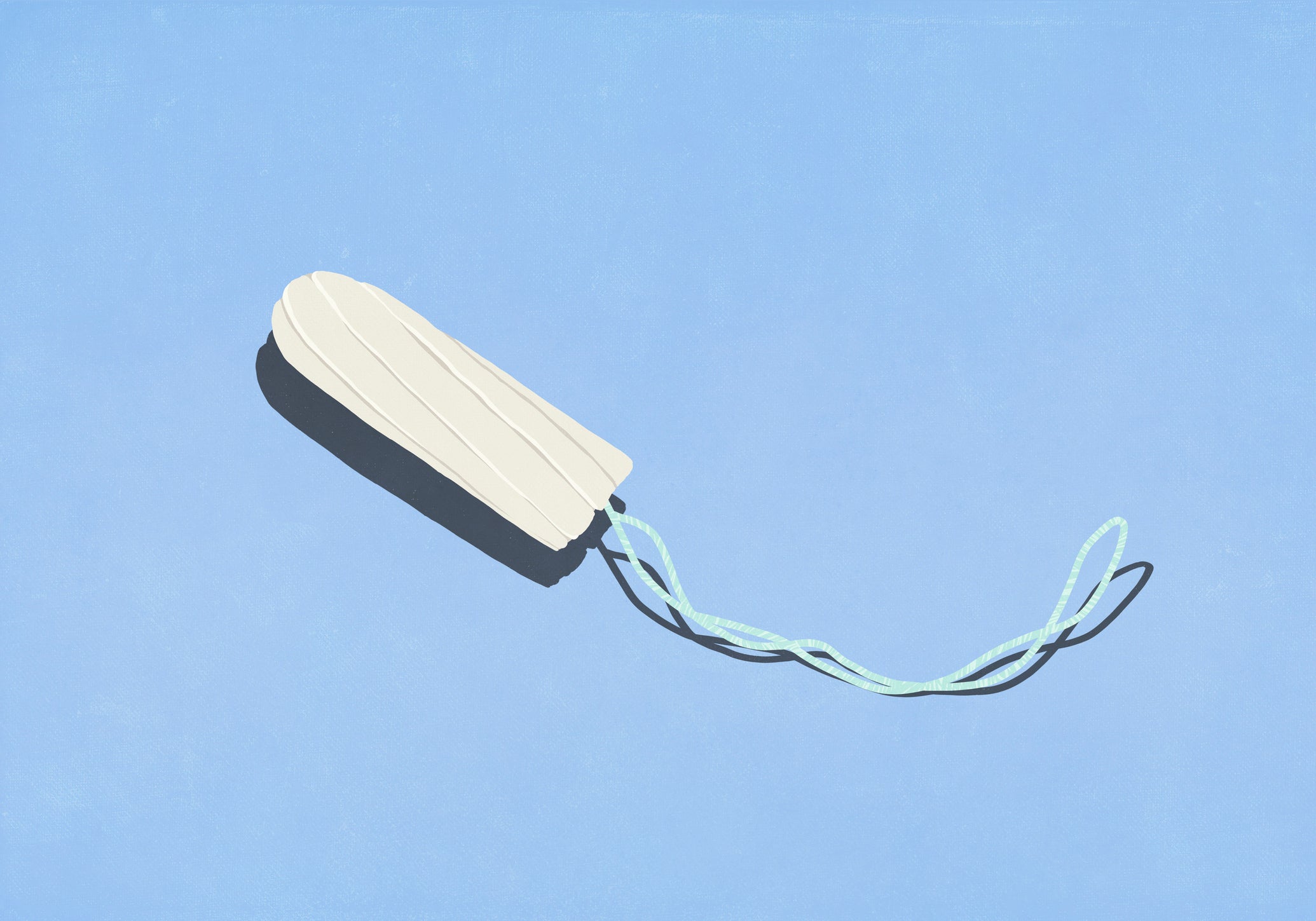
A GP has opened up about how a strong vaginal odour could signal a fairly common tampon error. In an Instagram post, Dr Nada Hassan spoke of “the smell every GP recognises instantly” – the strong odour emitted from a retained tampon. A retained tampon is pretty much what you’d expect it to be: a tampon which isn’t removed from the body and either gets stuck or seemingly gets forgotten about. Per the Women’s Health Practice, retained tampons are “fairly common”. Dr Hassan noted that sometimes she can tell if a patient has a retained tampon as soon as they’ve walked into the consulting room. “It’s more common to forget it than people think. Tampons shrink down with moisture, they migrate higher than expected, and it’s genuinely easy to forget one is there,” she said. “I’ve had to remove one (sometimes multiple) many a time from patients who had no idea it was in there.” Retained tampons can leave a particularly grim odour. According to NHS Inform, tampons can’t get lost inside the body. That said, sometimes the tampon can move high up in the vagina or become squashed sideways or the string can end up inside the vagina, too. Some people might forget they’ve got a tampon in and then insert another one or have sex, which can push the original further up. consigning it to ancient history. The internet is full of horror stories from women who hadn’t noticed they’d retained tampons – some for months – and noticed unpleasant symptoms as a result, namely foul smells and grey or brown discharge. Tampons should typically be changed every four to six hours. If they aren’t, there’s a risk of rare tampon-related toxic shock syndrome (TSS) developing, which can be fatal. “The risk increases the longer a tampon is left in, and research has found it rises significantly after six or more hours, especially with overnight use,” said Dr Hassan. Toxic shock syndrome requires urgent treatment as it can prove life-threatening. Symptoms include: a high temperature; muscle aches; a raised skin rash that feels like sandpaper and flu-like symptoms. It can also trigger dizziness, confusion, swollen or peeling skin, and vomiting. How to remove a retained tampon If you think you might have a retained tampon, NHS Inform advises the following steps to try removing it at home: Wash your hands. Squat and bear down (like you would if you had to poo or give birth). This can help bring the tampon towards the vaginal opening, making it easier to remove. Insert your finger into your vagina. Move your finger around in a circle. You’ll probably be able to feel the tampon. Try to remove the tampon. If you cant remove the tampon using one finger, try inserting two fingers into your vagina to grip the tampon instead. If this doesn’t work, you notice sudden foul-smelling discharge or you think you might have a tampon that’s MIA, book in to see your GP who can help to locate and remove it. And if you experience symptoms of TSS, call NHS 111. Related... What I Learned When My Toddler Started Carrying Around An ‘Emotional Support Tampon’ You're Probably Making This Tampon Mistake Without Realising It Maura Higgins Left A Tampon In For 3 Months – And It's Easier To Do Than You Think